See us at ILA Berlin 2026 : HALL A|500
Ispace Hakuto-R Lunar Landing Attempt Appears To Fail
Products & Services
Aerospace | Aviation Week Network
Aviation Week Network
https://aviationweek.com/themes/custom/particle/dist/app-drupal/assets/awn-logo.svg
Home - Aviation Group Marketing
Aviation Week Network
120 data points on over 156,000 commercial and business aviation aircraft, including military transports. Discover the most trustworthy resource for the complete aircraft history, plus ad hoc reports, month-over-month trend analysis and details on expected deliveries through 2050.
People

Andrea Rossi Prudente
Aviation Week Network

Anthony Lim
Aviation Week Network
Sales director
Becca Balmes
Aviation Week Network
Belinda Tan
Aviation Week Network
Brian Everstine
Aviation Week Network
Editor

Eddie Krankowski
Aviation Week Network
Assistant Manager, Tradeshows
erving dockery
Aviation Week Network
Lisa Tan
Aviation Week Network
Senior Marketing Manager
Mark Thomas
Aviation Week Network
Description
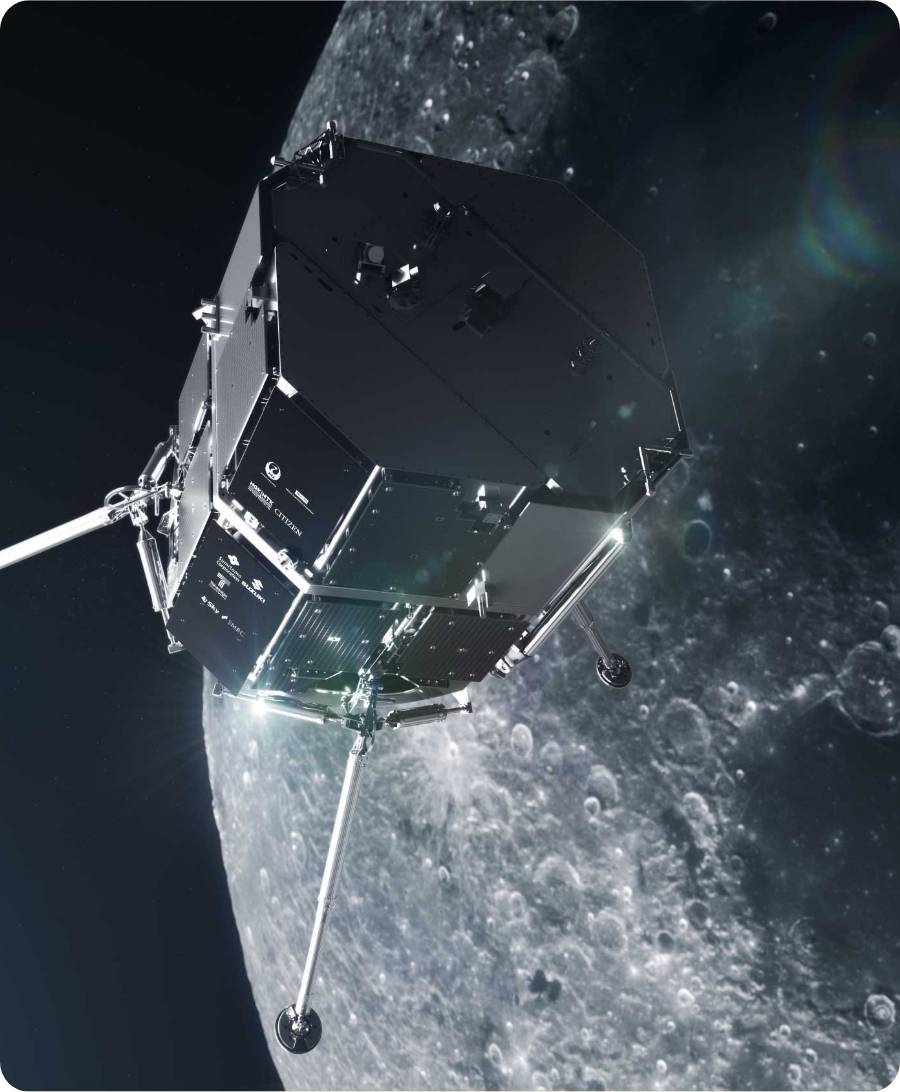
Ispace's attempted landing of its Hakuto-R spacecraft on the Moon appears to have failed after communications were lost with the vehicle right about the time the lander should have been touching down on the lunar surface on April 25.
Engineers at ispace's mission control center in Tokyo planned to continue to investigate the lander's status, ispace CEO Takeshi Hakamada said at an April 25 press conference.
“We already confirmed that we had established the communication until very end of the landing,” he says. “However, now, we've lost the communication. We have to assume that we could not complete the landing on the lunar surface.”
Ispace's lander was launched aboard a SpaceX Falcon 9 rocket in December. It entered lunar orbit on March 21.
Ipsace is attempting to be the first private enterprise to land a spacecraft on the Moon. It aims to build a business hauling equipment to the Moon to support the “hydrogen value chain”—a lunar economy focused on finding water and supporting its deconstruction into hydrogen and oxygen using electrolysis.
On April 20, at the Space Symposium in Colorado Springs, Hakamada told Aviation Week: “Everything is ready. We've already done everything we could do. All the hardware is functioning well.”
The company, which listed on the Tokyo Stock Exchange Growth Market on April 12, is emphasizing that lessons learned from its Mission 1 would provide valuable feedback for its two planned follow-on missions.
“We had secure communication at the very end of the landing. That means we acquired actual flight data during the landing phase,” Hakamada says. “That is great achievement for the future missions: Mission 2 and the Mission 3.”
Mission 2, scheduled for 2024, is to use the same Hakuto-R lander and deploy a rover to explore the Moon and collect data about the lunar surface.
For Mission 3, ispace is designing a larger lander spacecraft for NASA's Commercial Lunar Payload Services initiative under the Artemis program. The company is a subcontractor to Team Draper, which in July won a payload contract worth $73 million to carry out scientific missions to the lunar surface in 2025.
Engineers at ispace's mission control center in Tokyo planned to continue to investigate the lander's status, ispace CEO Takeshi Hakamada said at an April 25 press conference.
“We already confirmed that we had established the communication until very end of the landing,” he says. “However, now, we've lost the communication. We have to assume that we could not complete the landing on the lunar surface.”
Ispace's lander was launched aboard a SpaceX Falcon 9 rocket in December. It entered lunar orbit on March 21.
Ipsace is attempting to be the first private enterprise to land a spacecraft on the Moon. It aims to build a business hauling equipment to the Moon to support the “hydrogen value chain”—a lunar economy focused on finding water and supporting its deconstruction into hydrogen and oxygen using electrolysis.
On April 20, at the Space Symposium in Colorado Springs, Hakamada told Aviation Week: “Everything is ready. We've already done everything we could do. All the hardware is functioning well.”
The company, which listed on the Tokyo Stock Exchange Growth Market on April 12, is emphasizing that lessons learned from its Mission 1 would provide valuable feedback for its two planned follow-on missions.
“We had secure communication at the very end of the landing. That means we acquired actual flight data during the landing phase,” Hakamada says. “That is great achievement for the future missions: Mission 2 and the Mission 3.”
Mission 2, scheduled for 2024, is to use the same Hakuto-R lander and deploy a rover to explore the Moon and collect data about the lunar surface.
For Mission 3, ispace is designing a larger lander spacecraft for NASA's Commercial Lunar Payload Services initiative under the Artemis program. The company is a subcontractor to Team Draper, which in July won a payload contract worth $73 million to carry out scientific missions to the lunar surface in 2025.