See us at Global Health Exhibitions (GHE) 2026 : H2A.B29
Cedars-Sinai and Exobiosphere: Pioneering Space Biomedicine
Cedars-Sinai is partnering with Exobiosphere to send biomedical experiments to the Haven-1 commercial space station, using automated hardware to study how microgravity affects organoid growth—advancing space biomedicine and Earth-based health discoveries.
People
Description
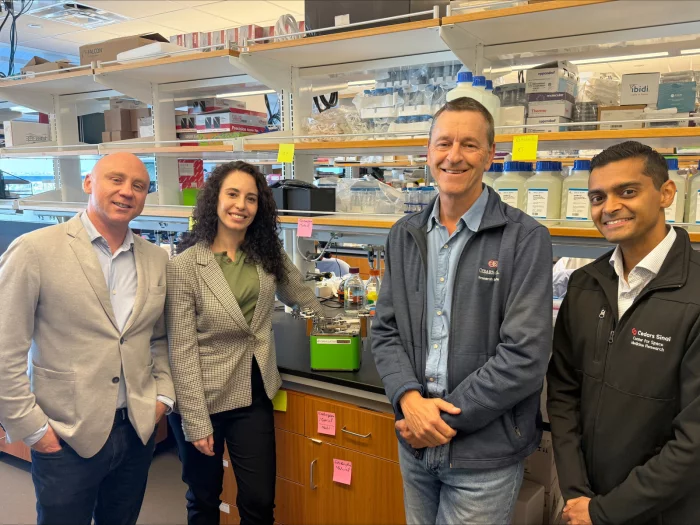
Cedars-Sinai is partnering with Exobiosphere to launch biomedical research aboard the upcoming Haven-1 commercial space station, using innovative automated hardware to send organoid experiments into microgravity. Scientists aim to understand how reduced gravity influences the growth of organoids—miniature organ models—because faster or altered development in space could accelerate disease modeling and drug testing. Researchers, including Arun Sharma, PhD, director of the Center for Space Medicine Research at Cedars-Sinai, hope this work not only sheds light on health challenges faced by astronauts—such as bone, muscle, heart, and immune system decline—but also leads to therapies that benefit patients on Earth with similar conditions. Exobiosphere’s space-optimized research platform, designed to automate complex experiments with minimal astronaut intervention, is part of Cedars-Sinai’s Accelerator+ program, supported by investment and mentorship from the health system’s Technology Ventures team.